Where 905 nm ranging fits
Applications
Four places these modules do their work. Each section lists the modules that fit and why — start from your platform and follow it to a spec sheet.
Field · night · airborne
One module, many payloads
The same 905 nm DToF core adapts from a helmet sight to a drone gimbal to a fence-line sensor. What changes is reach, weight and the shape that fits — never the eye-safety class.
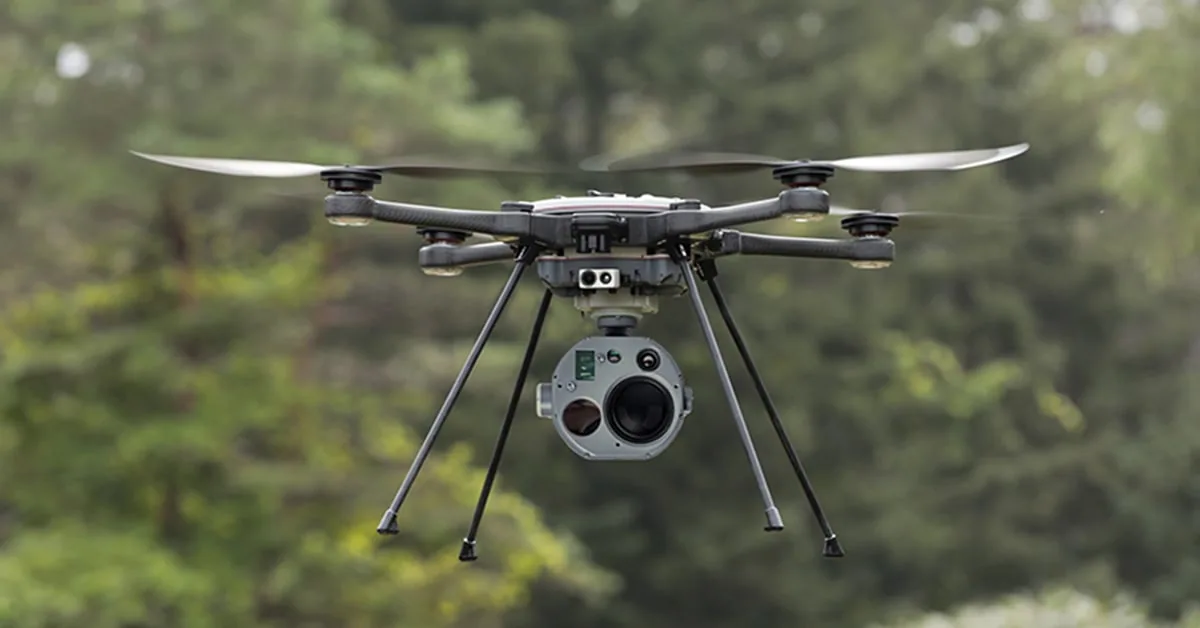 905 nm ranging in an EO/IR gimbal payload
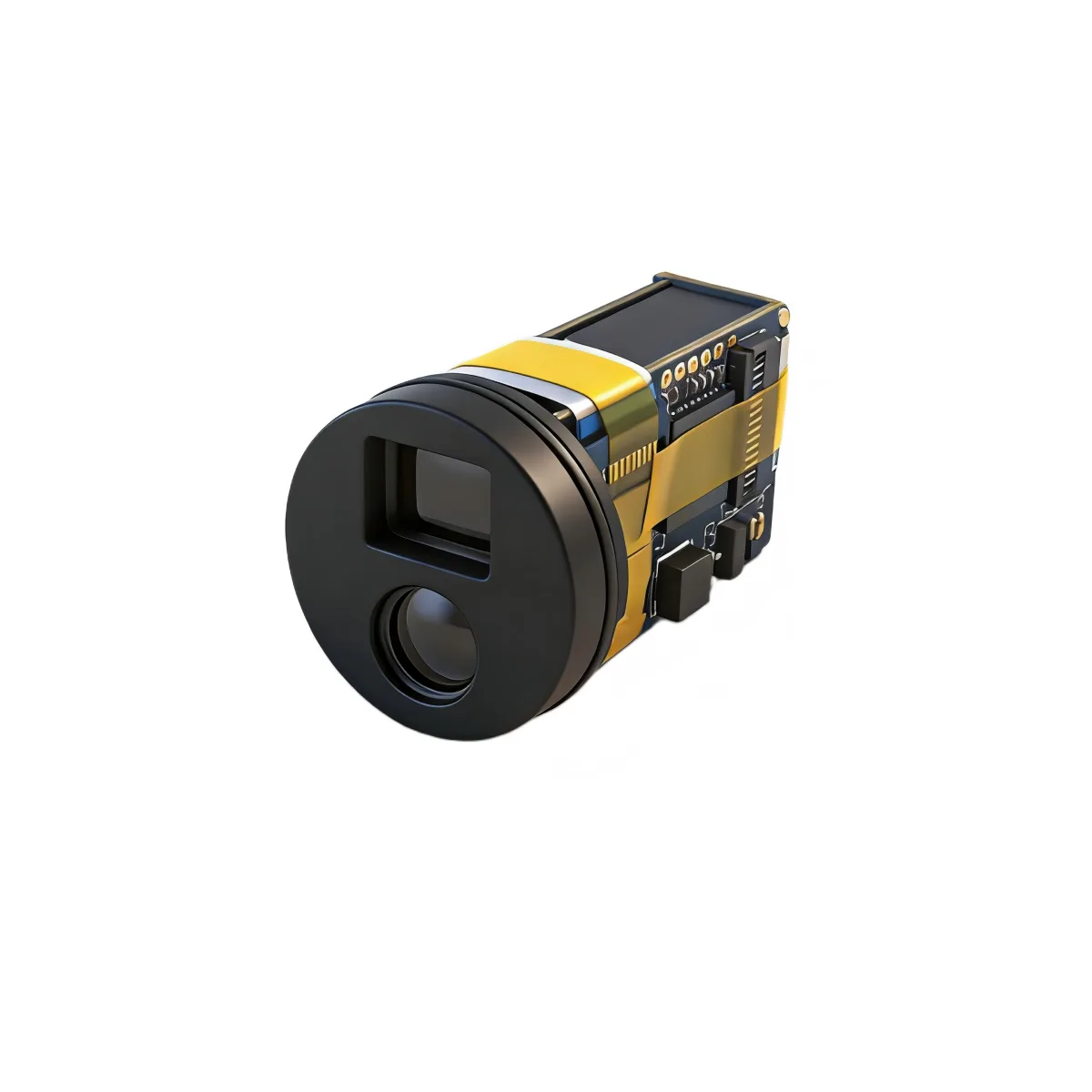
Night vision & thermal sights
A range readout that fits the eye-safety and weight budget of a clip-on or monocular.
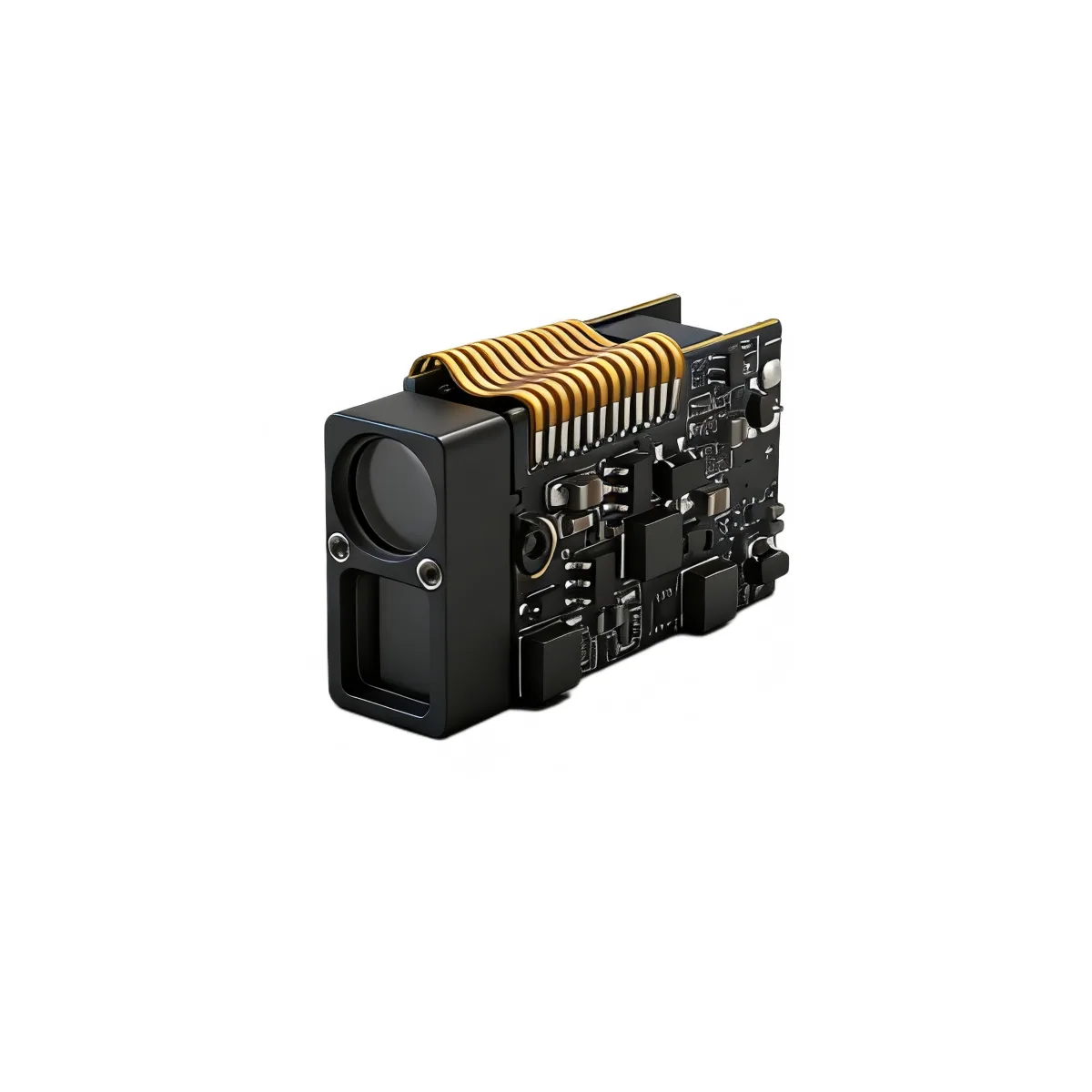
For handheld and helmet optics, the ranging module can't dominate the SWaP budget or push the device out of Class-1. A 6–20 g 905 nm module ranges the target and reports over UART-TTL, leaving the optical designer free to keep the sight light. Because 905 nm stays Class-1 eye-safe, it is usable for training and operation around people.
Modules that fit
UAV & drones
Altitude hold, terrain following and target cueing where every gram of payload is contested.
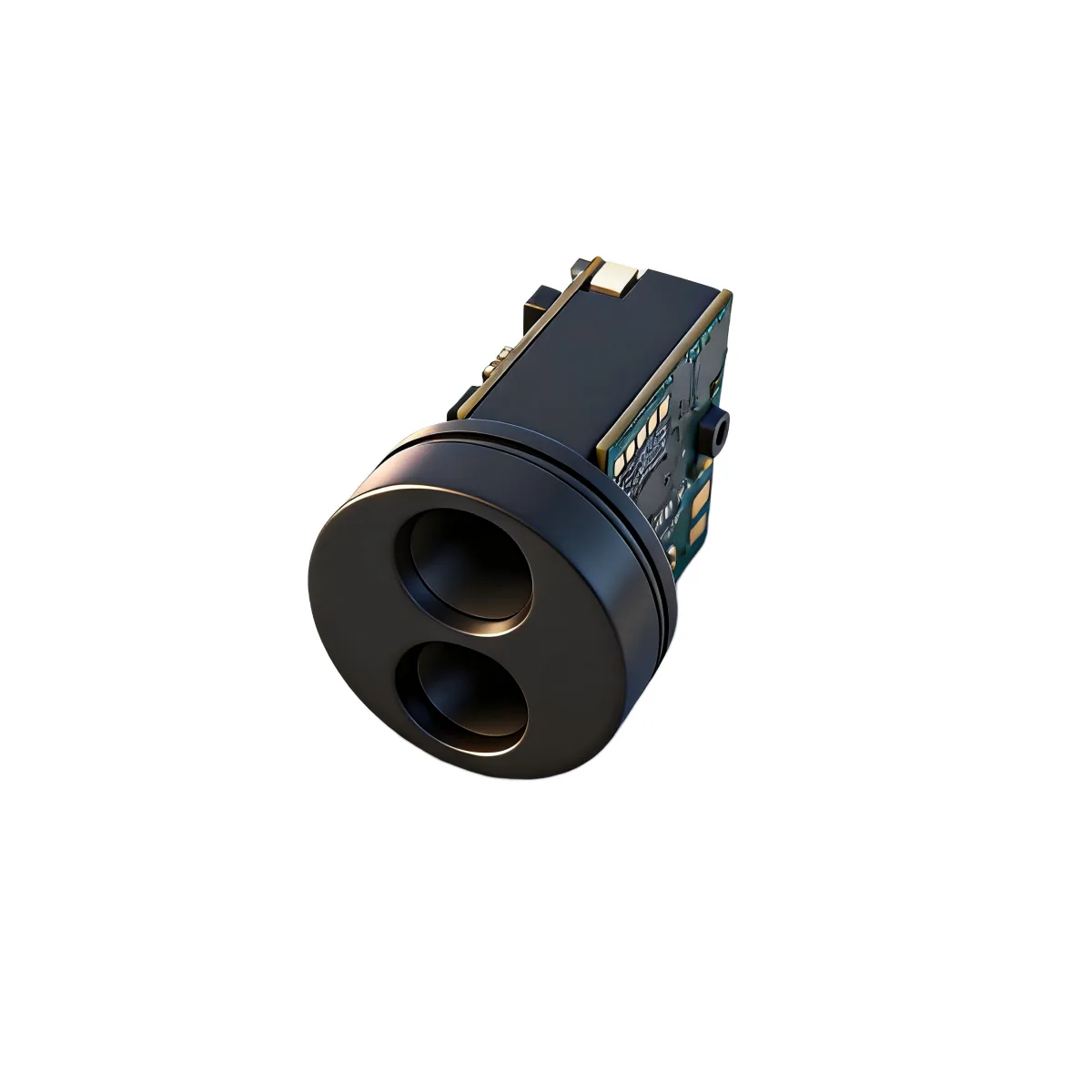
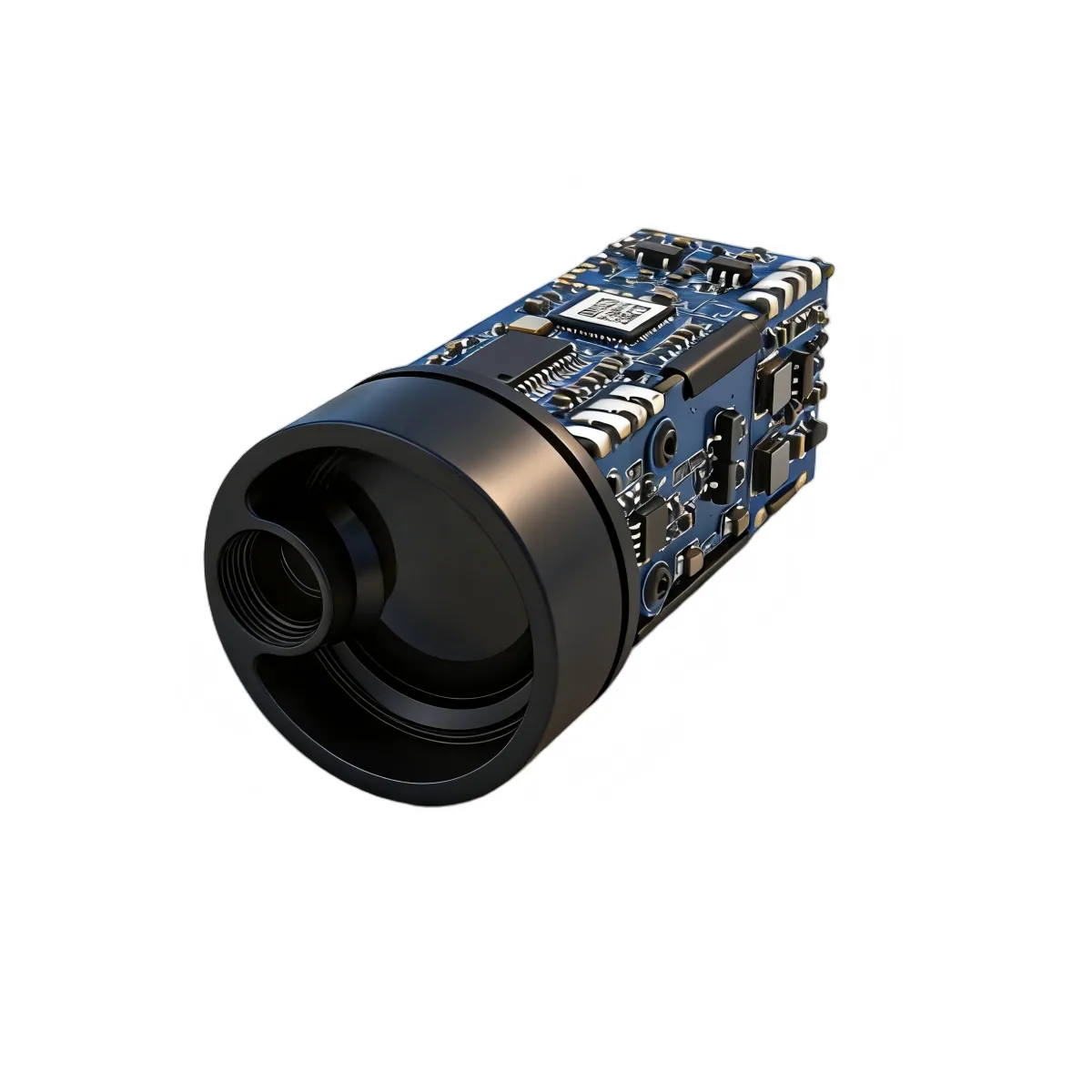
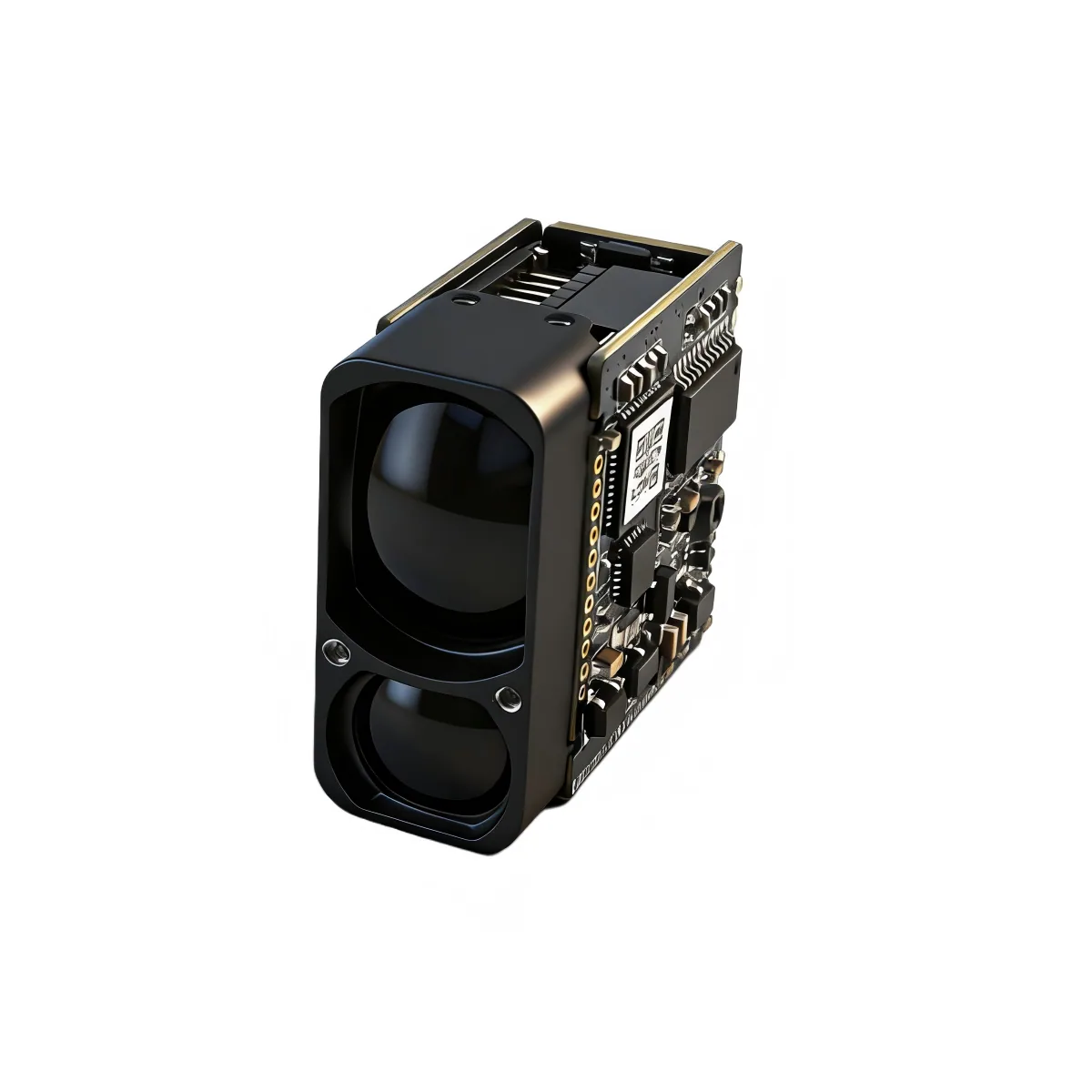
On a stabilized EO/IR gimbal, adaptive output lets the module trade refresh rate for range as the scene changes. The flagship reaches 3,000 m from a 12 g body; the S2G variant adds an integrated gyroscope so distance and attitude arrive together for moving-platform geolocation.
Modules that fit
Security & surveillance
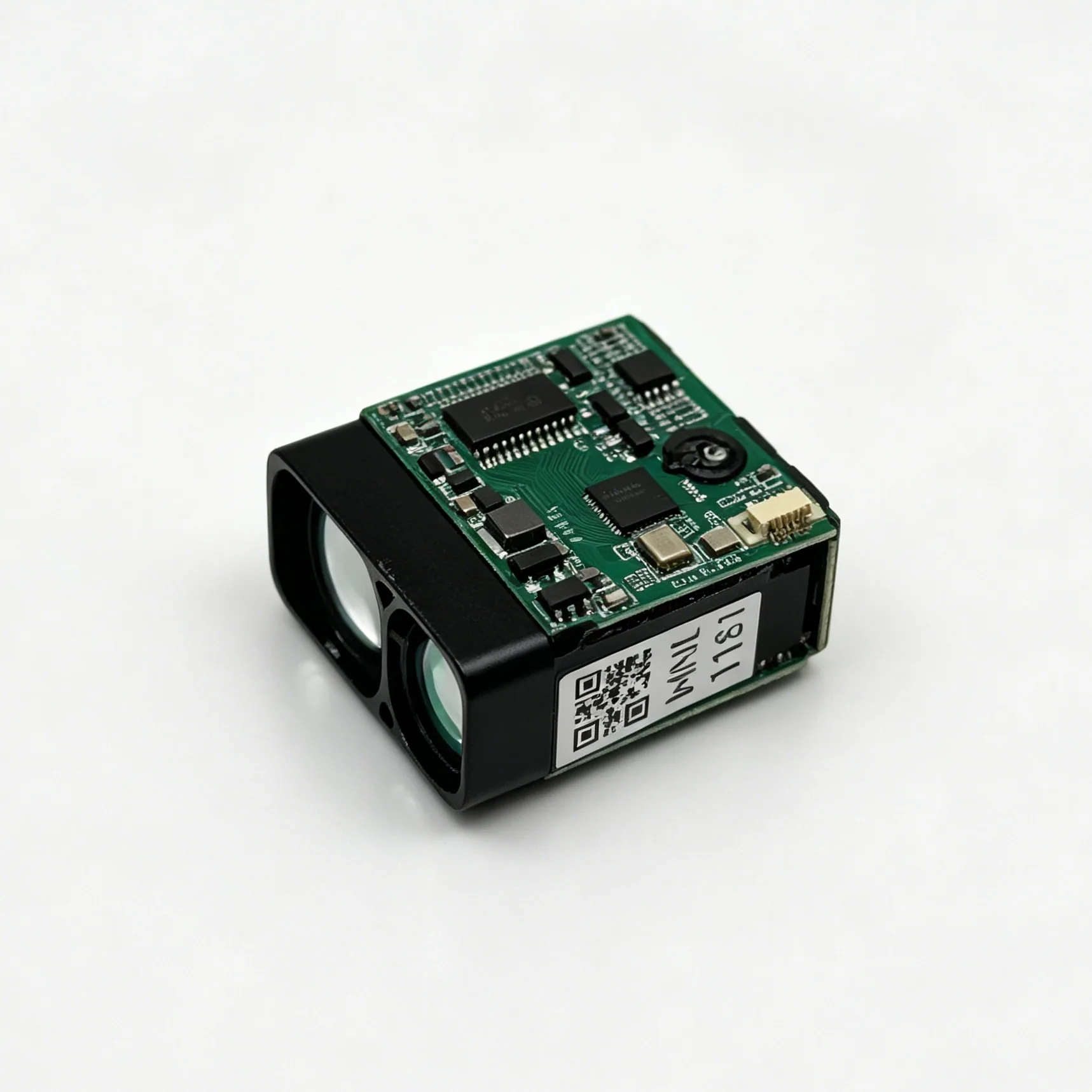
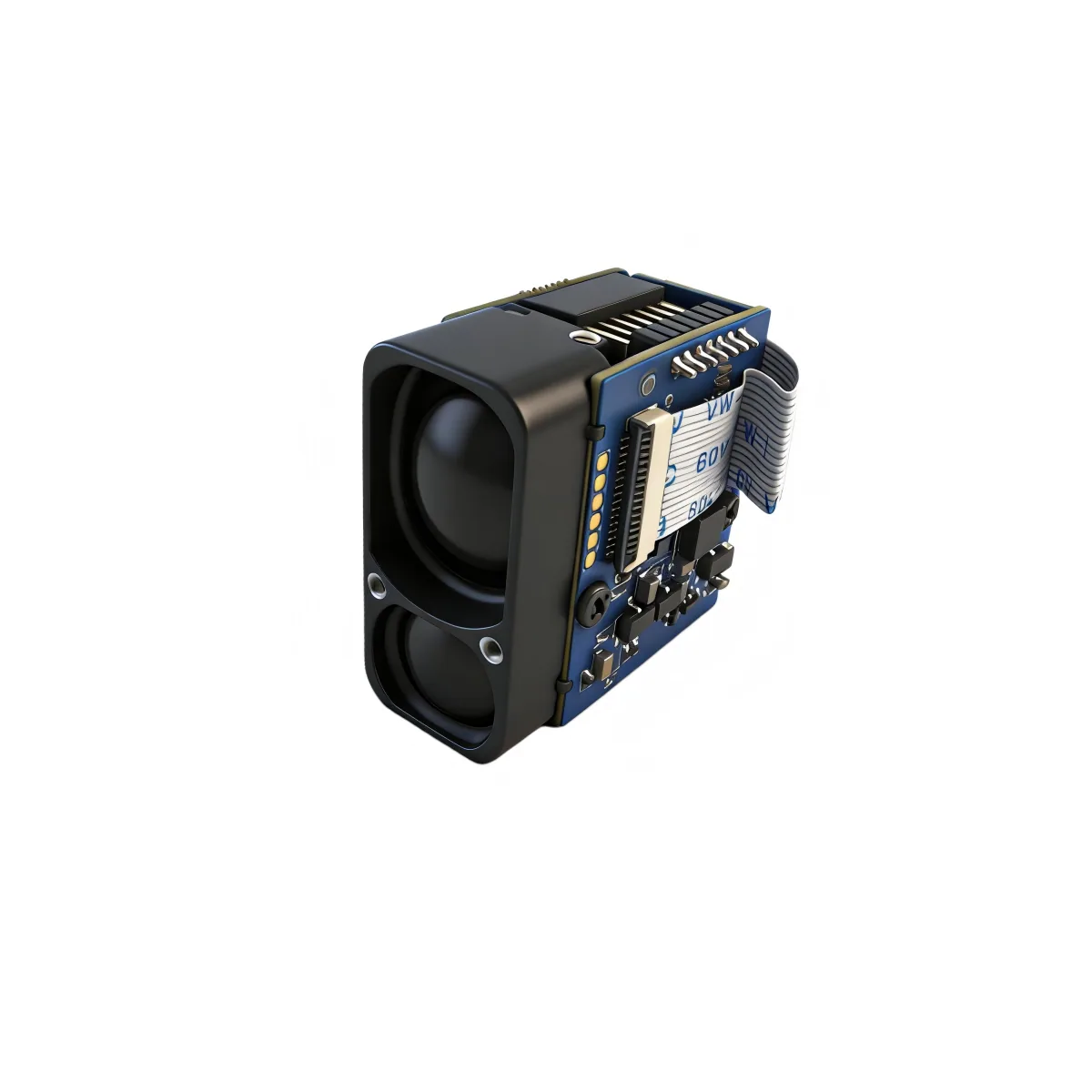
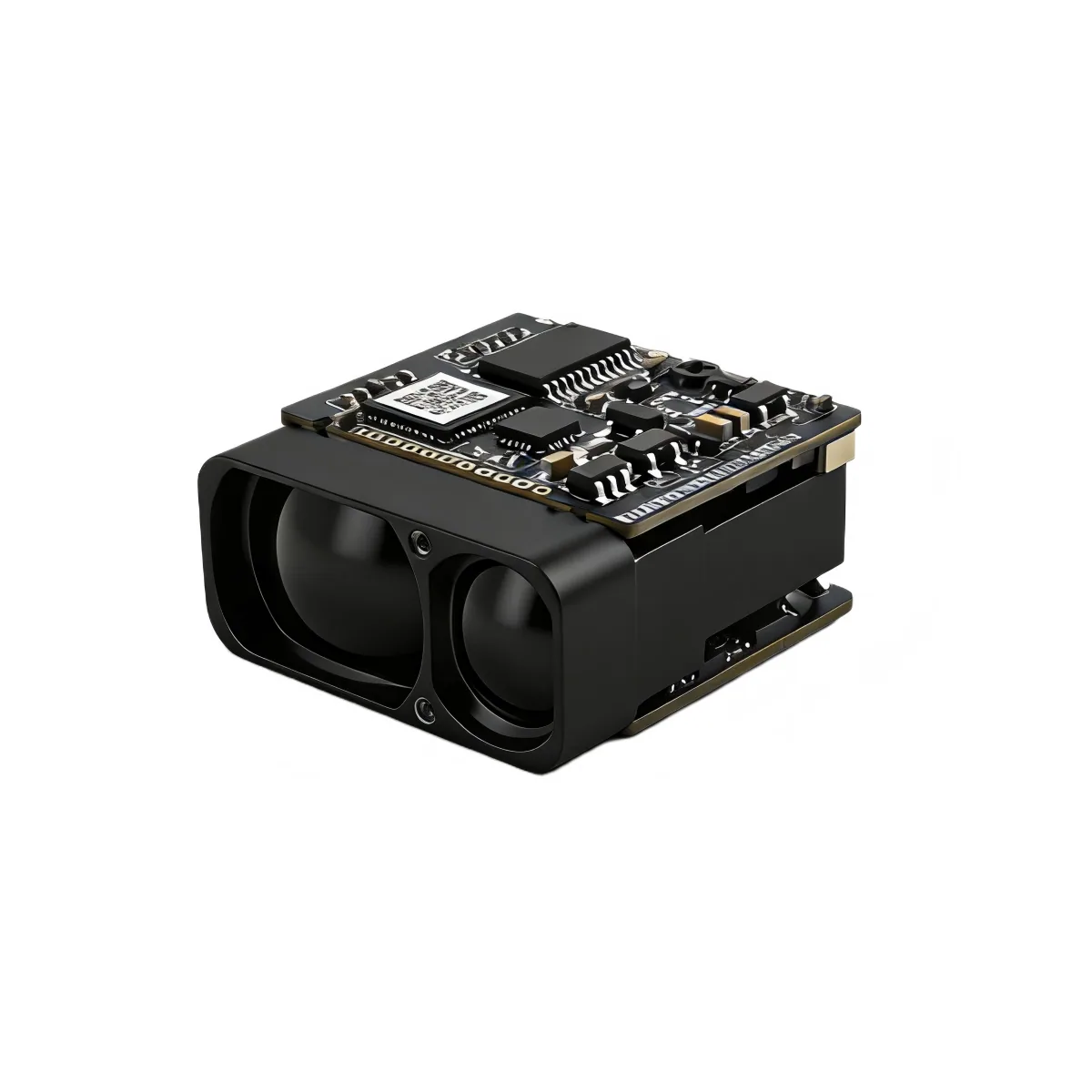
Perimeter ranging, gate control and trigger sensing on continuous outdoor duty.
Fixed and pan-tilt installations need modules that survive dust and weather and keep measuring. IP67 lens cavities, MIL-STD-810G shock/vibration qualification and eye-safe emission make the D and E series a fit for gates, fence lines and traffic points.
Modules that fit
Industrial monitoring & robotics
Obstacle and level sensing for mobile robots, AGVs and fixed process monitoring.
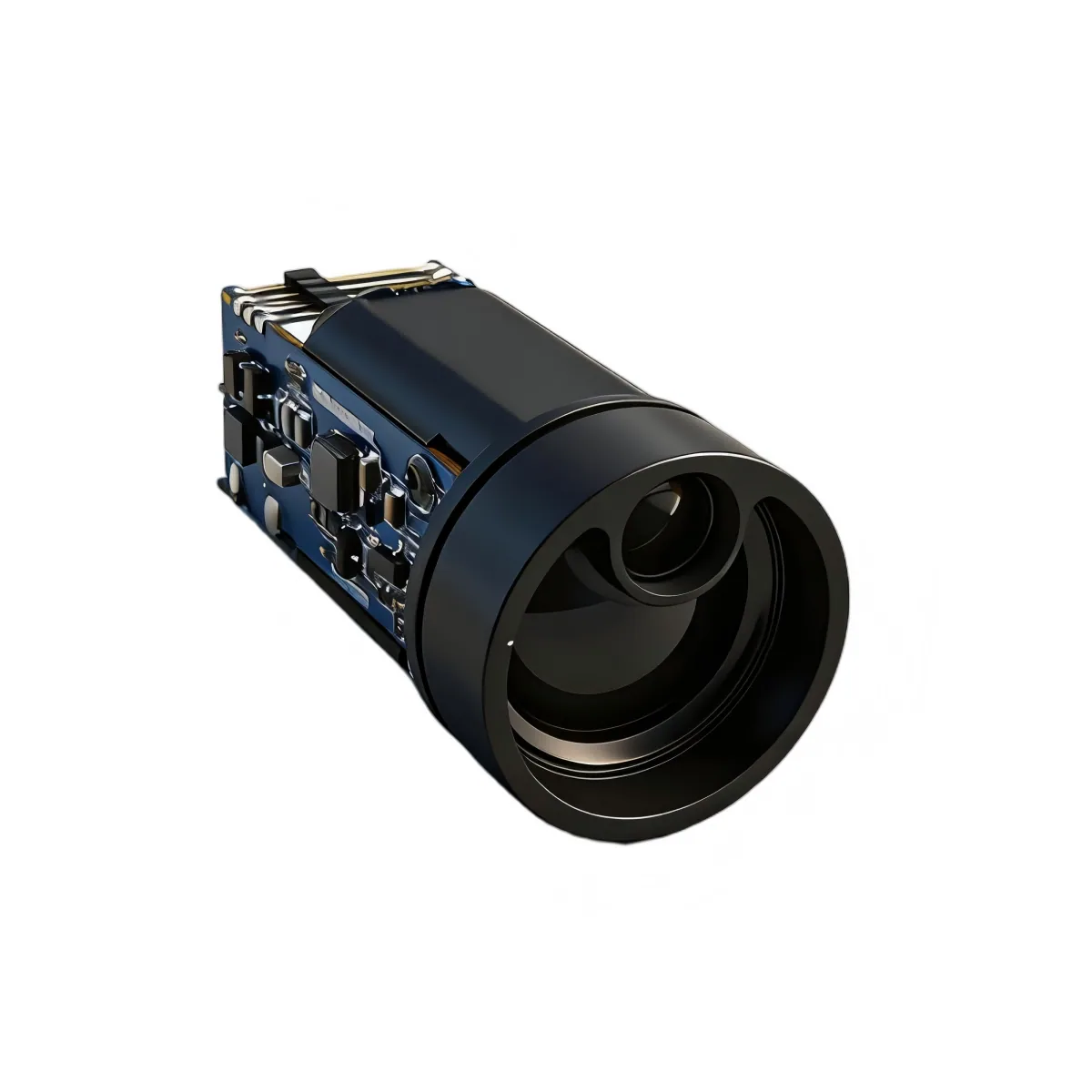
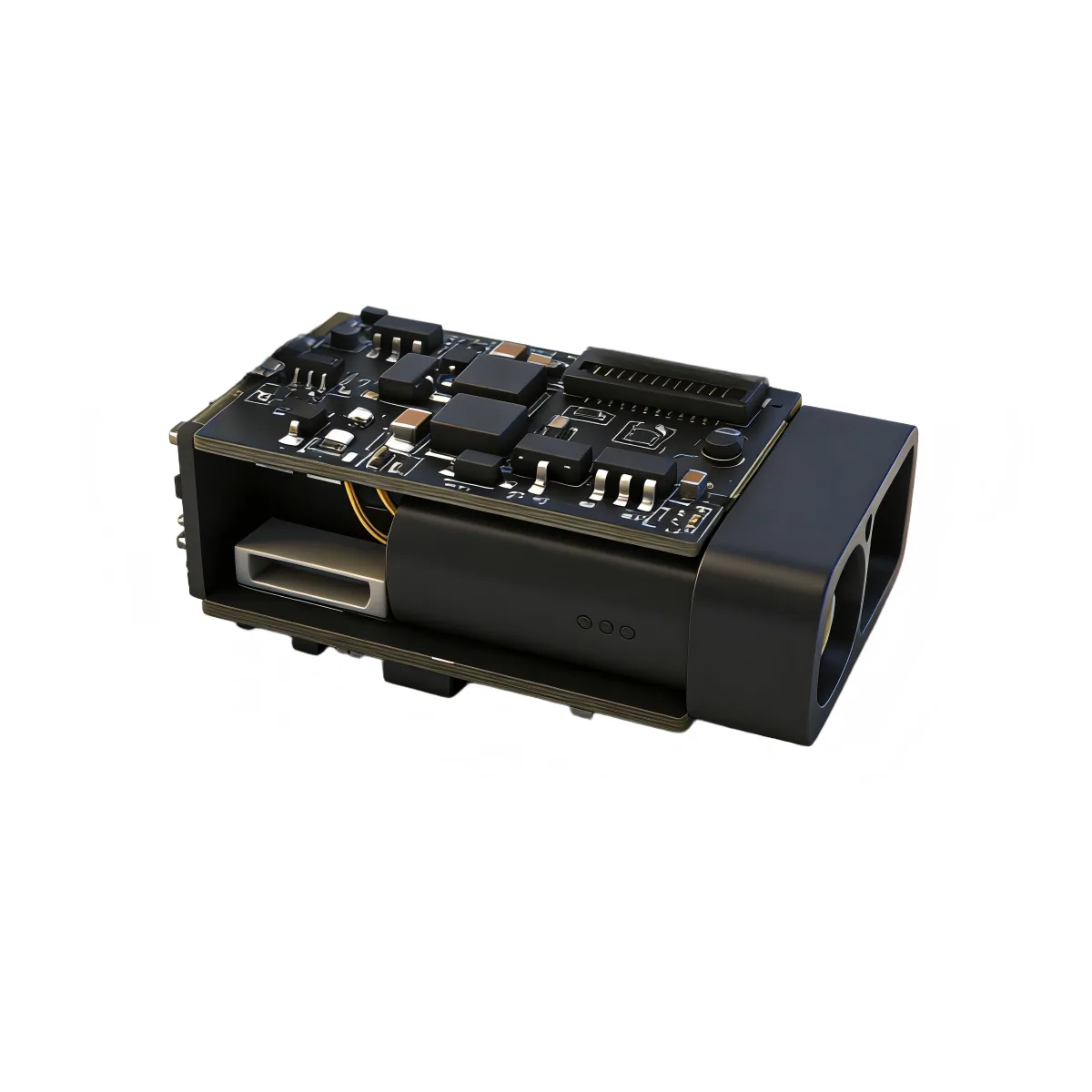
A robot or a fixed line sensor needs a distance reading it can poll continuously without babysitting the module — adaptive frequency, a UART-TTL frame simple enough for an embedded controller, and a body sized to bolt straight into a chassis or enclosure. The single-point DToF short-range line adds sub-1,500 m sensors from 1 g for obstacle avoidance and safety curtains, alongside the E-adaptive and SPD-integration series for continuous industrial measurement, indoor or out.
Modules that fit
Handheld optics
Meter-class ranging for portable instruments and sport optics that still have to fit in the hand.
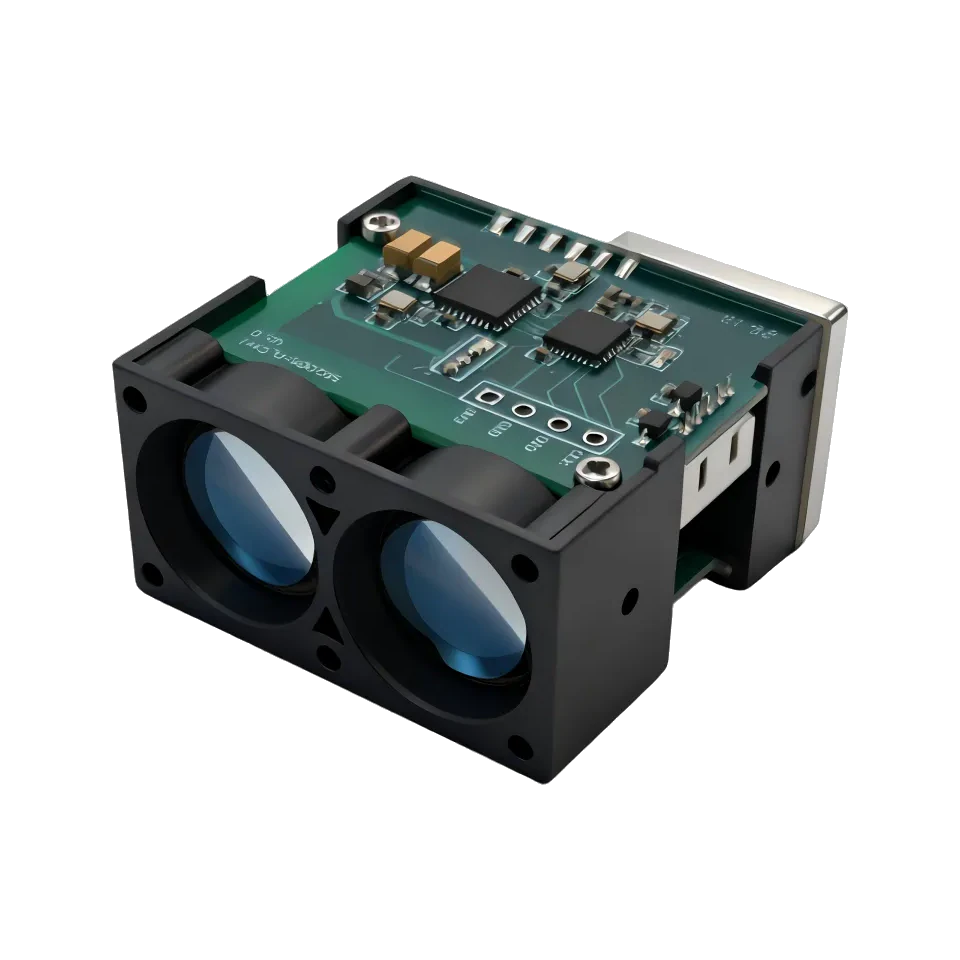
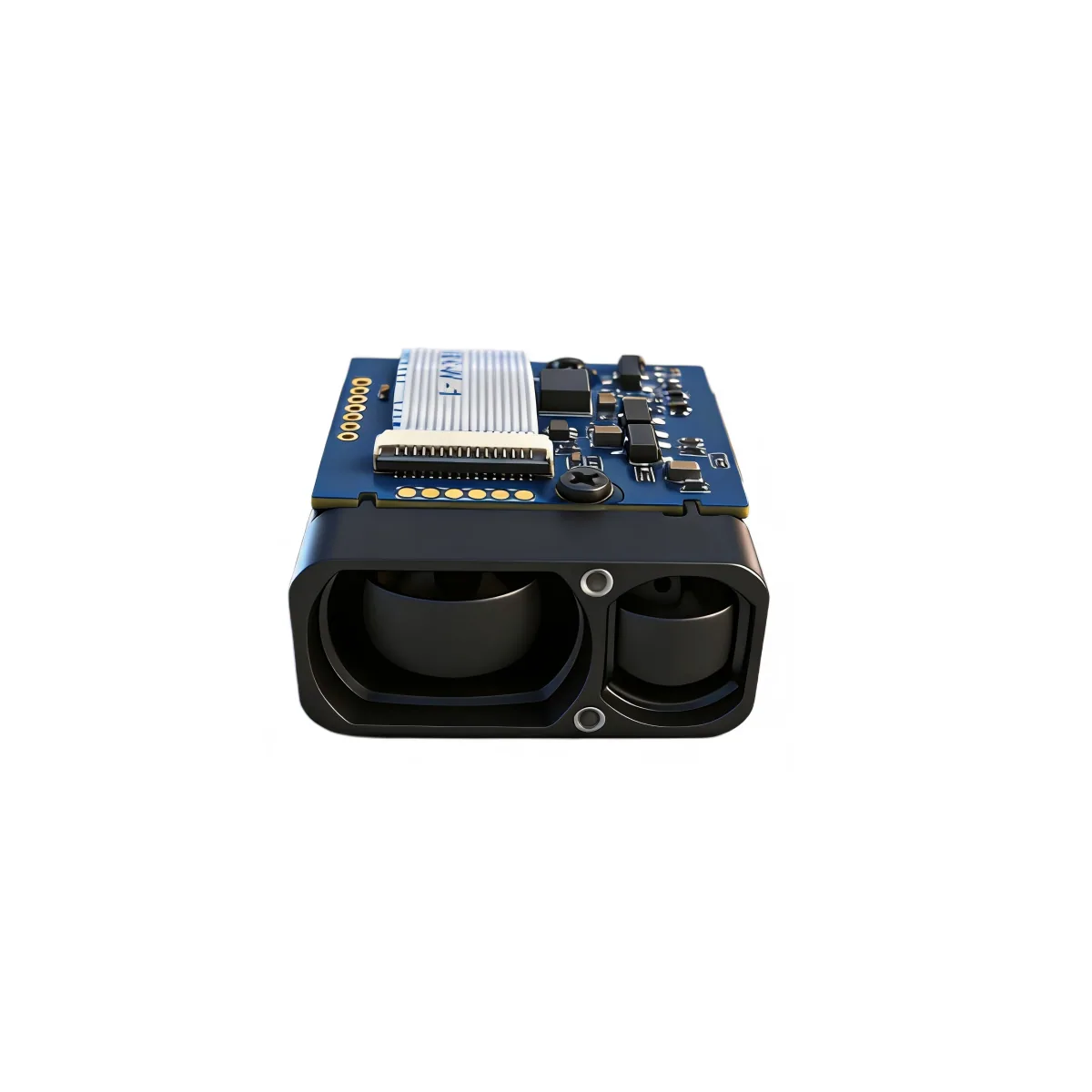
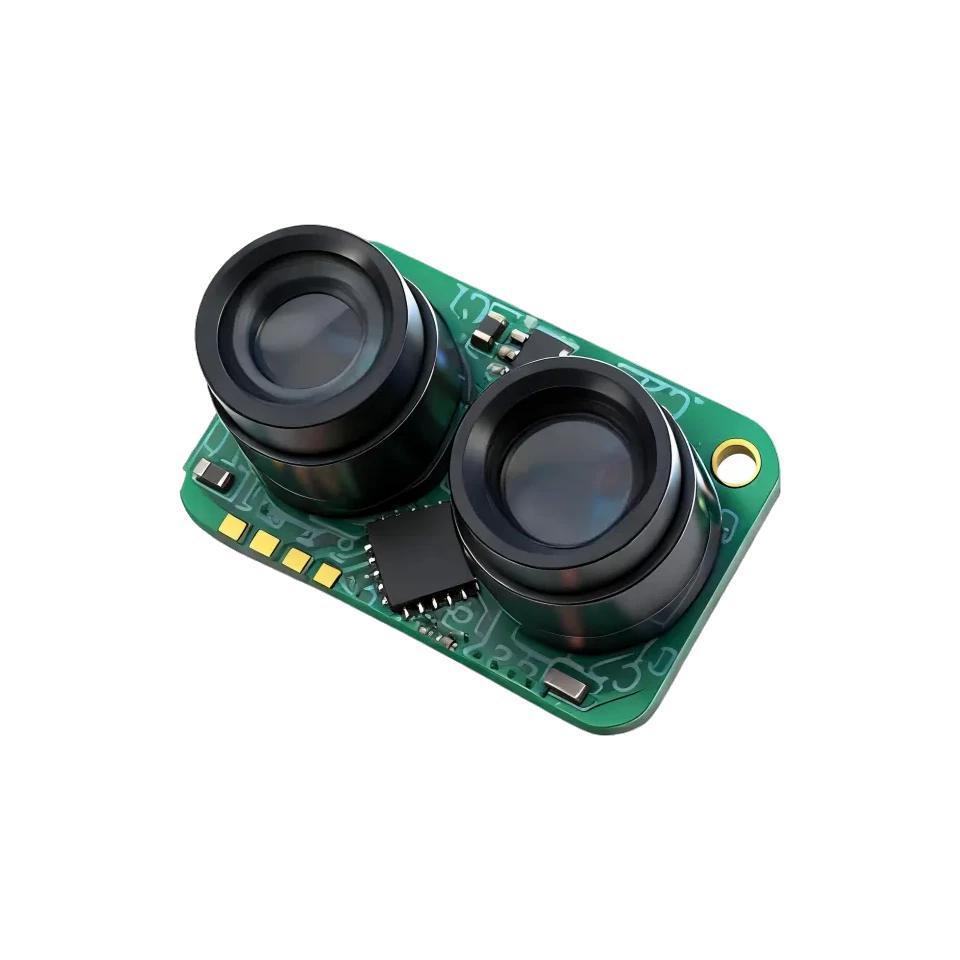
A compact 905 nm module drops into telescopes and rangefinder binoculars where more reach is needed than a short-range sensor gives, but the housing still has to sit in the objective bell. Accuracy is specified to ±0.7 m near range on the flagship, ±1 m across the tube and adaptive series.
Modules that fit
Surveying & mapping
A ranging core for total stations, laser levels and mapping rigs that needs to hold accuracy across a full working day.
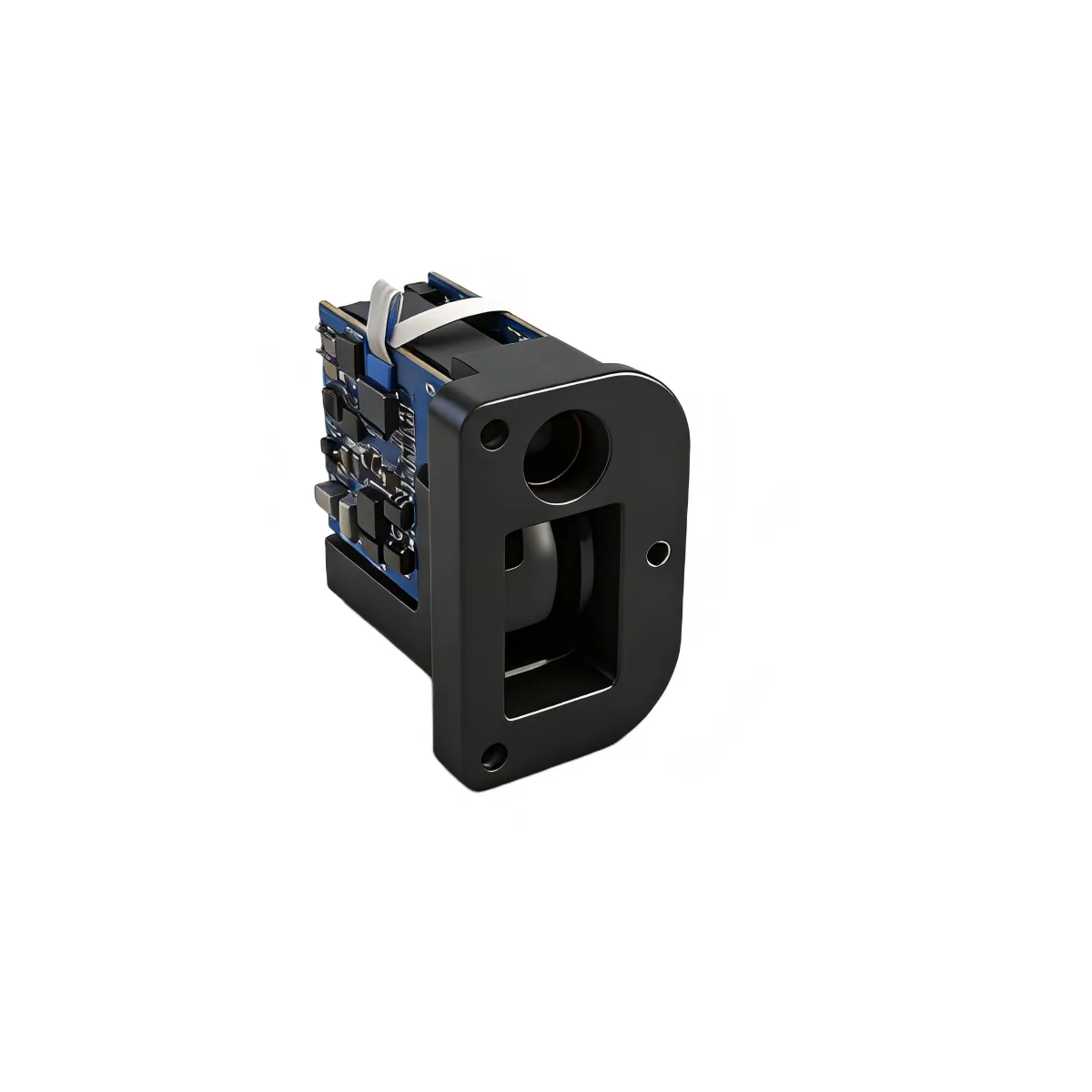
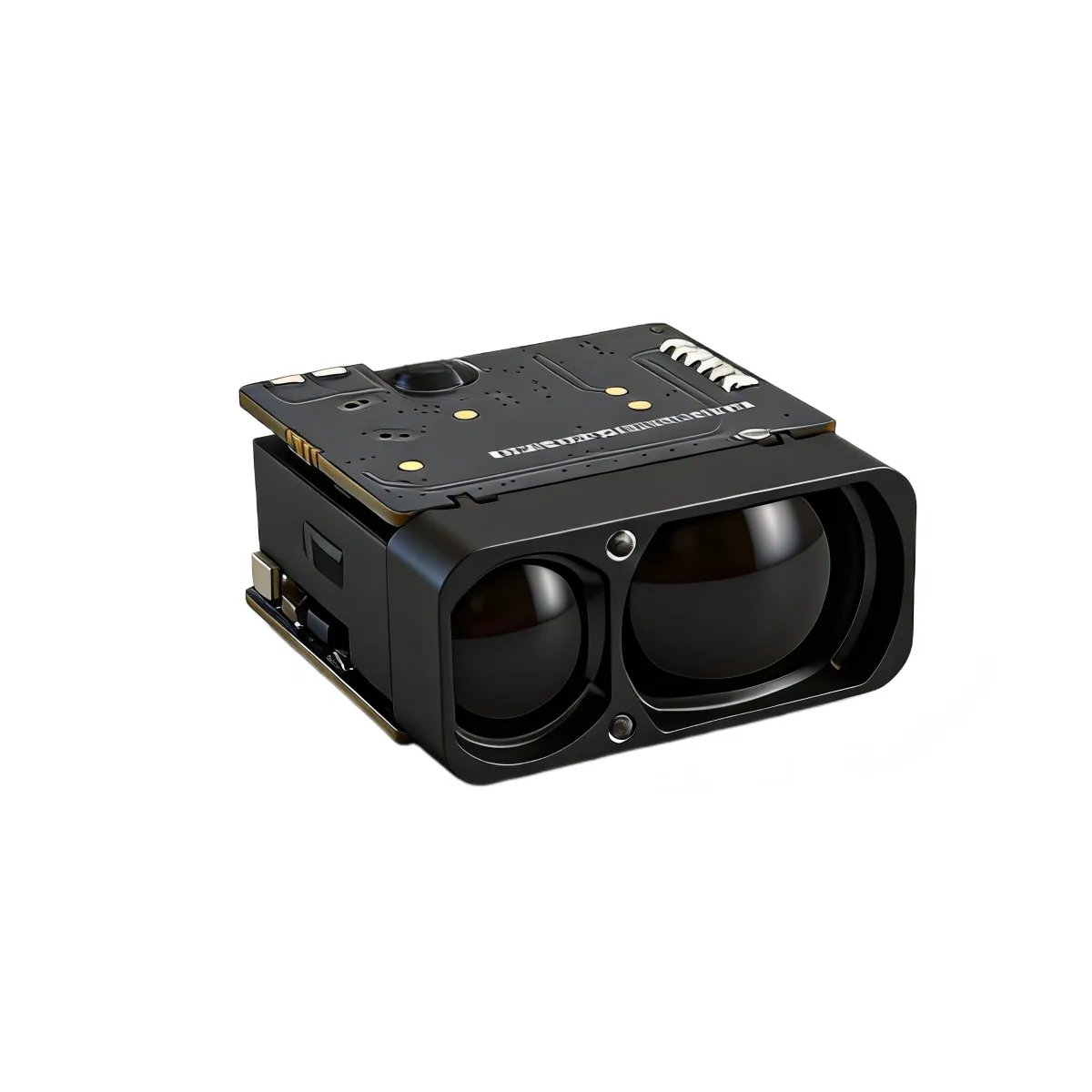
Survey and mapping instruments need consistent, repeatable distance readings across the working range, not just a single headline maximum. The flagship's ±0.7 m near-range accuracy and the D-class1 tube series' sealed IP67 optics suit both handheld total-station-style tools and fixed mapping rigs that spend the day outdoors, while the E-adaptive series covers longer-reach outdoor positioning work.
Modules that fit
Match a module to your platform
Describe the payload — get the right module
Range, accuracy, interface, weight budget and volume. We'll answer with a fit, pricing and lead time.